The Brush Field Guide: Flat, Bright and Filbert Compared
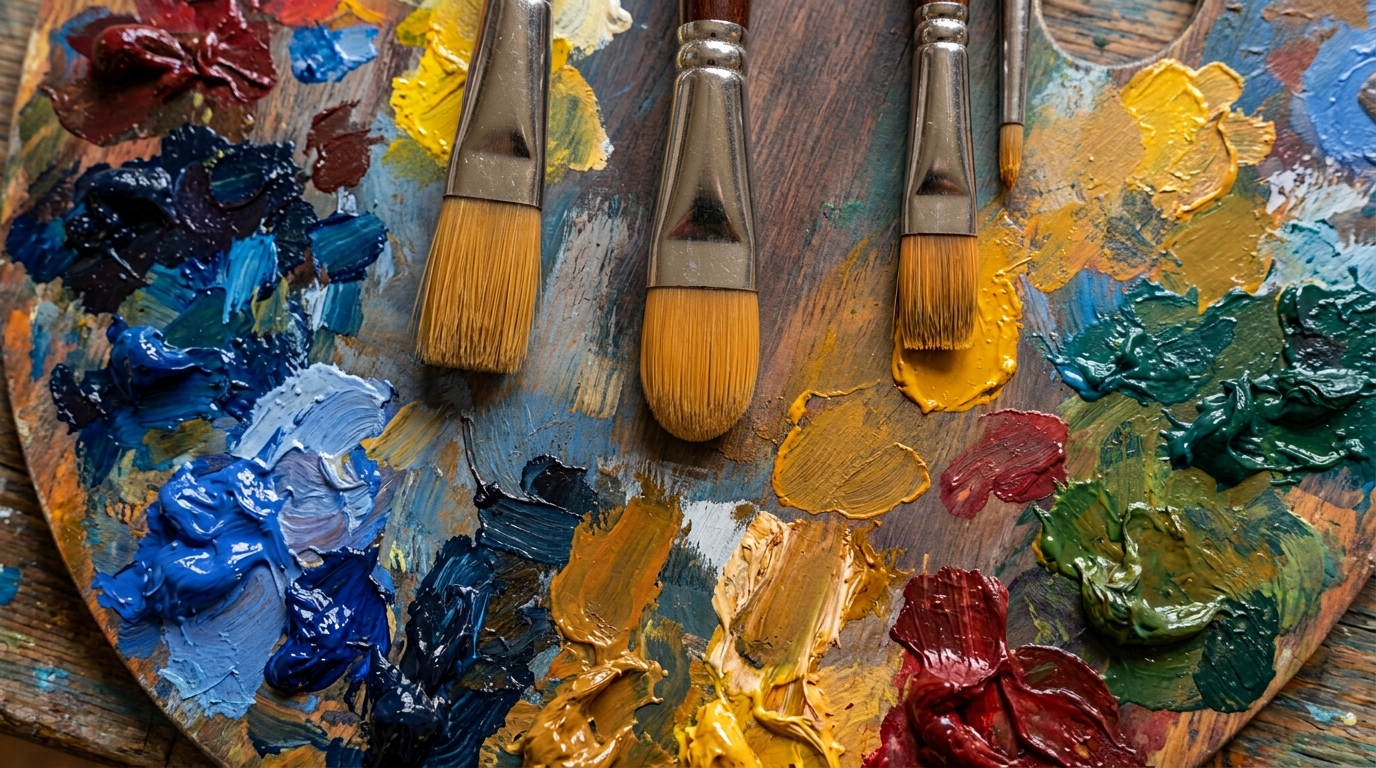
Brushes do far more than transfer paint. They define form, texture and even convey movement. It’s so easy to stick with what we know or our favourite go to brush but I’d encourage you to start looking beyond and trying out other brushes and deliberately experimenting and learning to intentionally create a range of beautiful strokes that really elevate your work and help you create depth and interest.
The Flat Brush: Your Structured Powerhouse
The long rectangular bristles of the flat brush make it a super choice for holding more paint and painting with me speed. It is also ideal covering large geometric shapes such as fencing or even bridles and any time that you need a crisp hard edge or a more direct and angular feel to your stroke.
- The Marks: Broad, clean rectangular strokes on its flat face. Razor thin or tapered lines when turned on its edge.
- In the studio: Reach for a flat brush when blocking in large background masses such as fields or stable interiors. They are also brilliant for getting loose under paintings done and identifying the different planes of a subject such as the angles in a lions face or the shape of the horses hoof. This brush is great for creating a map for you to work your detail on top of or for pulling up vertical grass textures.
The Bright Brush: Control and heavy texture
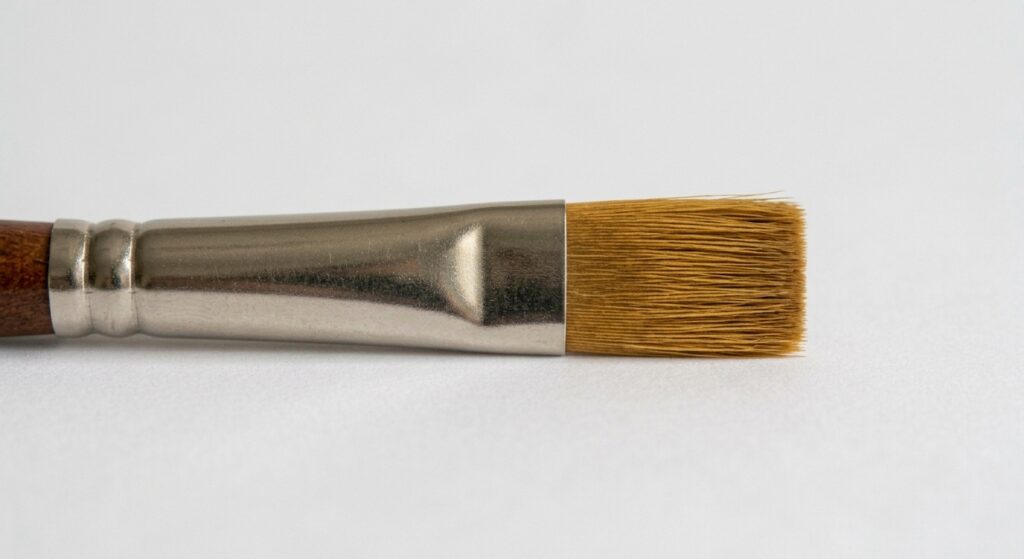
The bright bristle brush, otherwise known as the short flat bristle brush features short stiffer bristles which offers maximum resistance and a precise control over oils and heavy body acrylics.
- The marks: Short and choppy, high-impact strokes. Perfect for thick impasto dabs and controlled chisel marks under pressure. Also great on its side for definite short grasses and used flat or on its side for hooves, creating that variable horn look.
- In the studio: Bright brushes are brilliant for building tactile textures like coarse manes, wet mud on hooves or weathered tree bark or even for dry brushing textures. Use them to push thicker paints around and if you like a bit of texture in your art then these are great for adding physical height to your highlights bringing them forward and making the deeper darker shadows sink even further back.
The Filbert Brush: Your Equestrian and Wildlife Workhorse
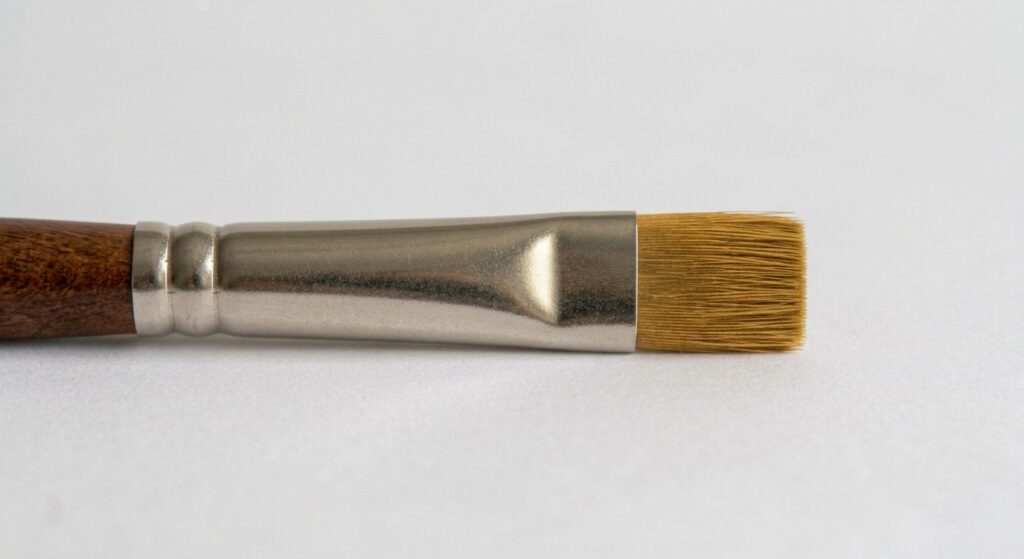
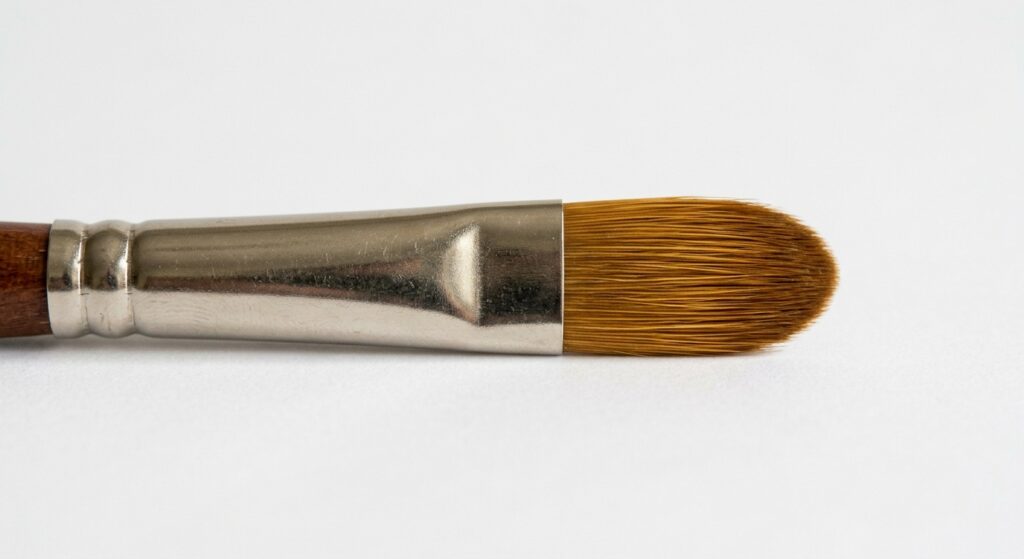
The filbert brush is essentially like a flat brush but with an oval cut end. With a soft oval shape it is the ultimate brush for organic life forms.
- The Marks: Soft and rounded strokes, tapered elegant shapes when twisted or used on its side and then lifted slightly making it perfect for soft edges, smooth transitions and directional hatch but without any harsh corner lines.
- In the studio: Filbert brushes are excellent for creating sweeping musculature of horses or lions bodies, larger, more obvious feathers on birds. They are widely used in my art for blending subtle shifts in tone across a muzzle or making a refining my underpainting or even completely using this for my underpainting on softer forms where i may not want to use a flat. Like the flat brush they can hold a decent amount of paint and so are great for working fast but equally useful for refining things on some of the more upper layers, especially if you are going for a more painterly looser and expressive style.
Studio Tip & Practice challenge
Tip: Keep bristle stiffness in mind as you work
Firm hog bristles are great for thick oil paint and move it with intention and control. Hog brushes take on a decent amount of paint due to the microscopic ends that have two or three tiny splits in them. This gives a smooth application of a larger amount of paint as it acts like a resevouir. You can use hog hair for both oil and heavy body acrylics but keep in mind that with lots of water the hairs will take on that water and the ends can become splayed or break over time which is why brushes for acrylic are typically synthetic since they are waterproof. If you are going to use hog bristles for acrylic then do not leave them sitting in water and wash them in soapy water and take out much of the water with a paper towel and leave them to air dry when you are done.
Softer, synthetic bristles allow fluid acrylic glazes to glide on leaving smooth, subtle brush strokes free from tracks. Oil glazes can also be applied with these softer synthetic brushes. Keep in mind that while oil paint itself will not damage the brushes many of the solvents that can be used will damage synthetic hairs over time and cause fraying of nylon and polyester tips. You can minimise this or even prevent this by using a gentler brush cleaning approach such as Gamblin Gamsol Odourless Mineral Spirits or going completely solvent free and using oil like linseed or walnut oil and then using a brush cleaning soap when you are done.
Practice Challenge
Before starting your next big painting, try doing a quick study of something like a horse’s eye or a lions paw, or a birds wing or any other single feature of your favourite animal and paint it using only one brush type. Pay attention to how altering your pressure or brush angle or even how far along the brush handle you hold that brush influences your stroke and the effect you can create. This will give you insights for your oil or acrylic painting and help you identify the difference in control and execution and how that can change massively by how you hold and use the brush. It will challenge you to think outside the box and problem solve which is never a bad thing.